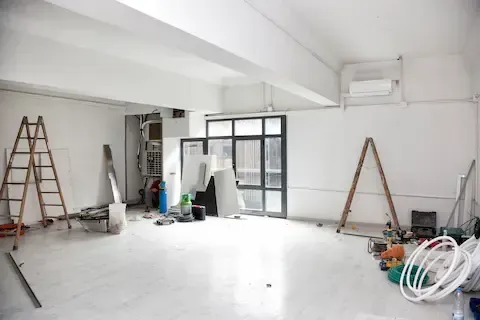
Design-Build vs Design-Bid-Build for Minneapolis MN
When comparing design-build vs design-bid-build for Minneapolis commercial projects, the core difference comes down to who manages the relationship between designer and contractor. In design-build, one entity handles both design and construction under a single contract, streamlining communication and accountability. In design-bid-build, you hire a designer first, then solicit bids from contractors separately. For Minneapolis business owners navigating tight timelines, busy permit queues, and competitive lease conditions, design-build often delivers faster project starts and fewer cost surprises. But each method has real tradeoffs worth understanding before committing.
What Is Design-Build and How Does It Work?
In a design-build arrangement, a single firm or integrated team takes responsibility for both the architectural and construction phases of your project. You work with one point of contact from concept through completion. This model reduces the gap between design intent and construction execution because the same team is accountable for both. In Minneapolis, where commercial permit timelines can run several weeks or longer depending on project scope and city workload, having a unified team that already knows local code requirements and inspection procedures can compress your overall schedule significantly. Design-build is especially well-suited to tenant improvement projects, office fit-outs, and medical or retail spaces with defined program requirements.
What Is Design-Bid-Build and When Does It Make Sense?
Design-bid-build is the traditional delivery method where you contract with an architect or designer first, develop construction documents, and then solicit competitive bids from general contractors. Once you select a contractor, construction begins. This approach gives you the most competitive pricing at the bid stage because multiple contractors are pricing the same set of drawings. It also provides a natural check-and-balance between design intent and construction execution. For larger or more complex commercial projects in Minneapolis where independent design oversight is valuable — or where your organization requires a formal procurement process — design-bid-build remains the standard choice.
Which Method Costs More in Minneapolis?
Neither method is inherently cheaper. The cost comparison depends heavily on project complexity, your tolerance for risk, and how well the delivery method is managed. Design-bid-build can produce lower initial contractor bids because of competitive pricing, but design changes during construction often generate costly change orders. In a design-build project, the contract price tends to be more stable because the same team prices the work with full knowledge of the design. For commercial buildouts in Minneapolis neighborhoods like the North Loop, Uptown, or along the Central Corridor, where buildout costs and timelines directly affect lease economics, cost predictability is often worth more than a marginally lower bid price. That said, without competitive bidding, you need to trust your design-build partner's pricing transparency.
How Do Timelines Compare Between the Two Methods?
Design-build typically delivers faster project completion. Because design and construction planning happen concurrently rather than sequentially, you can begin procurement and site preparation while design is still being finalized. In Minneapolis commercial real estate, faster delivery translates directly to earlier occupancy, which matters when you're paying rent on a space you can't yet use. Design-bid-build is inherently sequential — you must complete design before bidding, and bidding takes time. That process might add four to eight weeks or more to your overall timeline. If your lease commencement date is fixed or you're responding to a growth opportunity with urgency, timeline compression through design-build can be a deciding factor. For Interior Build-Outs with defined deadlines, this distinction matters significantly.
What Are the Risks of Each Approach for Commercial Owners?
In design-bid-build, your primary risk is that the design documents don't fully account for field conditions, which leads to contractor RFIs, delays, and change orders. There can also be a blame dynamic where the designer and contractor point to each other when problems arise. In design-build, the main risk is reduced competitive pricing pressure and the potential for the design-build firm to cut scope to protect margin. Mitigation in both cases comes from clear contracts, detailed scope documentation, and working with firms that have demonstrated Minneapolis commercial project experience. Ask any design-build firm for local references and verify their familiarity with Minneapolis building department requirements and licensed trade contractor networks.
Which Method Is Better for Minneapolis Tenant Improvements?
For most Minneapolis commercial tenant improvement projects — office renovations, healthcare suites, restaurant fit-outs, or retail buildouts — design-build tends to be the more practical choice. These projects typically have defined programs, compressed timelines, and landlord approval requirements that benefit from a unified team managing coordination. If your project is straightforward in scope and your lease is driving the schedule, design-build reduces your administrative burden and keeps accountability centralized. If your project is large, publicly funded, institutionally procured, or requires independent oversight, design-bid-build provides that separation. Review our guide to Interior Build-Outs for a deeper look at what the buildout process involves from start to finish.
What Should Minneapolis Business Owners Ask Before Choosing a Delivery Method?
Before selecting a project delivery method, work through these practical questions with your real estate or construction advisor:
- What is your lease start date and required occupancy timeline? If the timeline is tight, design-build reduces schedule risk.
- Does your organization require competitive bidding? Nonprofits, healthcare systems, and publicly funded entities may have procurement requirements that mandate design-bid-build.
- How much design flexibility do you need? If your program is well-defined, design-build works. If you expect significant design iteration, traditional delivery may give you more control.
- What is your risk tolerance for cost overruns? Design-build offers more price certainty. Design-bid-build offers more pricing competition.
- Do you have in-house project management capacity? Design-bid-build requires more owner-side coordination between designer and contractor. Design-build reduces that burden.
Minneapolis commercial real estate is competitive, and the delivery method you choose shapes how much time, money, and administrative effort your project demands. Neither approach is universally superior — the right choice depends on your project's size, complexity, procurement requirements, and timeline constraints. Understanding the structural differences between design-build and design-bid-build positions you to make that decision with confidence rather than defaulting to habit or assumption.
