Minneapolis Office Renovation Cost and Planning Guide
Planning a commercial office renovation in Minneapolis requires careful consideration of costs, timelines, and regulatory requirements. Most office remodeling projects in the Twin Cities area range from $50 to $150 per square foot, depending on the scope of work and quality of finishes selected. Understanding these variables upfront helps business owners make informed decisions and avoid costly surprises during construction.
Understanding Office Renovation Costs in Minneapolis
Commercial office renovation costs in Minneapolis vary significantly based on several key factors. Basic cosmetic updates like paint, flooring, and fixtures typically cost $50-75 per square foot. Mid-range renovations involving space reconfiguration, updated electrical, and modern finishes range from $75-125 per square foot. High-end renovations with custom millwork, premium materials, and extensive structural changes can exceed $150 per square foot.
Labor costs in the Minneapolis metropolitan area generally run 10-15% higher than the national average due to strong local demand and skilled workforce requirements. Material costs have remained relatively stable, though supply chain considerations may impact specialty items and custom components. Factor in a 15-20% contingency for unexpected conditions commonly found in older Minneapolis commercial buildings.
Mechanical system upgrades represent a significant portion of renovation budgets. HVAC improvements typically account for 20-30% of total project costs, especially in buildings requiring updated ductwork or energy-efficient systems to meet current Minnesota commercial building codes. Electrical upgrades for modern technology infrastructure add another 15-20% to overall expenses.
Permit Requirements and Regulatory Considerations
Minneapolis commercial renovations require various permits depending on project scope. Minor cosmetic work may only need a basic building permit, while extensive renovations require comprehensive plan review and multiple permit types. The City of Minneapolis Development Services Department oversees commercial permit applications and typically processes standard renovations within 2-3 weeks.
Fire department approval becomes necessary when renovations affect egress routes, sprinkler systems, or occupancy classifications. Plan review fees range from $500-2,500 depending on project complexity. Electrical permits are required for any new circuits or panel upgrades, with inspections scheduled at rough-in and final stages.
Minnesota accessibility standards must be met during renovations, particularly when work affects more than 20% of a space's total area. This often requires upgrading restrooms, doorways, and pathways to current ADA compliance standards. Professional Office Remodeling contractors understand these requirements and incorporate compliance measures into project planning from the beginning.
Project Timeline Planning and Phases
Typical commercial office renovations in Minneapolis follow a structured timeline spanning 8-16 weeks from permit approval to completion. Pre-construction planning, including design development and permit acquisition, adds another 4-6 weeks to the overall schedule. Rushed timelines often result in increased costs and potential quality compromises.
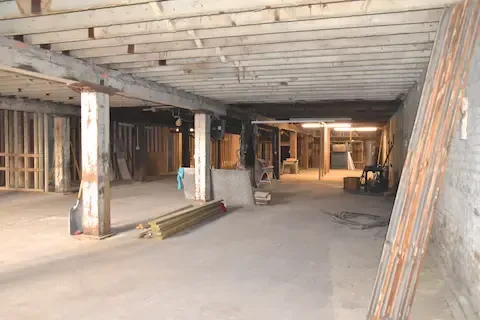
Demolition and infrastructure work typically consume the first 2-3 weeks of construction. This phase includes removing existing finishes, updating mechanical systems, and addressing any structural modifications. Weather considerations during Minnesota winters may extend timelines for projects requiring exterior work or deliveries.
Finish work and final installations occupy the final 4-6 weeks of most projects. This includes flooring, painting, fixture installation, and technology integration. Allow additional time for final inspections and certificate of occupancy processing through Minneapolis building officials. When you're ready to move forward, our team handles office remodeling in Minneapolis from planning through final inspection while keeping your business operating.
Design Considerations for Minneapolis Offices
Modern office design in Minneapolis increasingly emphasizes natural light and energy efficiency. Large windows and open floor plans help combat the challenges of limited daylight during winter months. Consider positioning collaborative spaces near windows while placing storage and utility areas in interior zones.
Climate control represents a critical design element for Minneapolis commercial spaces. Proper insulation, efficient HVAC systems, and strategic space planning help manage heating costs during extended cold periods. Zone-based temperature control allows different areas to maintain optimal conditions based on occupancy and function.
Technology infrastructure planning must accommodate current needs while allowing for future expansion. High-capacity electrical service, robust data cabling, and flexible power distribution support evolving workplace technology requirements. Plan for 20% additional capacity beyond current needs to accommodate future growth.
Deciding between an open floor plan and private offices shapes nearly every other renovation decision, from HVAC zoning to electrical layout. Our guide on open plan vs. private office layouts in Minneapolis breaks down the tradeoffs before you commit to a design.
Common Renovation Challenges and Solutions
Older Minneapolis commercial buildings often present unexpected structural conditions that impact renovation timelines and budgets. Asbestos and lead paint remediation may be required, particularly in buildings constructed before 1980. Professional environmental testing identifies these conditions early in the planning process.
Limited parking during construction phases creates logistical challenges in downtown Minneapolis locations. Coordinate with building management and neighboring businesses to minimize disruption. Consider scheduling major deliveries during off-peak hours to reduce traffic impacts.
Maintaining business operations during renovation requires careful planning and phased construction approaches. Temporary space arrangements, dust containment systems, and noise management help minimize disruption to ongoing work activities. Clear communication with employees about timeline expectations reduces frustration and maintains productivity.
Working with Minneapolis Commercial Contractors
Selecting qualified commercial renovation contractors requires evaluating local experience, licensing status, and project portfolios. Minnesota requires commercial contractors to maintain proper licensing and insurance coverage. Verify credentials through the Minnesota Department of Labor and Industry before making final contractor selections.
Local contractors familiar with Minneapolis building codes and permit processes can navigate regulatory requirements more efficiently than out-of-state firms. They also maintain relationships with local suppliers and subcontractors, potentially reducing material costs and installation timelines.
Request detailed proposals that break down costs by category and include allowances for finish selections. Quality contractors provide clear change order procedures and maintain transparent communication throughout the construction process. References from recent Minneapolis commercial projects offer valuable insights into contractor performance and reliability.
Maximizing Return on Investment
Strategic office renovations can significantly improve employee satisfaction, productivity, and talent retention in competitive Minneapolis markets. Focus improvements on areas that directly impact daily operations, such as collaborative spaces, break areas, and technology infrastructure.
Energy-efficient upgrades often qualify for utility rebates and tax incentives available through Xcel Energy and Minneapolis sustainability programs. LED lighting conversions, efficient HVAC systems, and smart building controls reduce long-term operating costs while improving environmental performance.
Consider how renovations will affect property values and lease rates for Minneapolis commercial real estate. Well-executed improvements can increase property values by 15-25% while attracting quality tenants willing to pay premium rates for modern, efficient office spaces. Understanding commercial space planning strategies helps optimize layouts for maximum functionality and appeal.
Successful office renovation planning in Minneapolis requires balancing immediate needs with long-term business objectives. Careful cost analysis, regulatory compliance, and contractor selection contribute to projects that enhance workplace functionality while providing strong returns on investment. Professional guidance throughout the planning and construction process helps ensure renovations meet both current requirements and future growth expectations.
