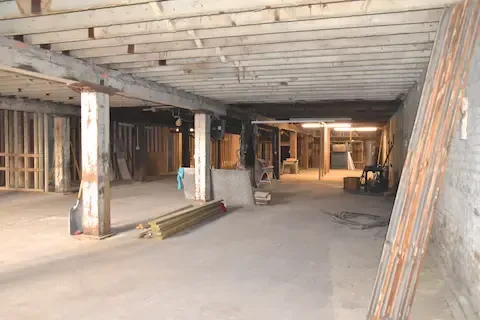
Minneapolis Commercial Building Permit Process Guide
The Minneapolis commercial building permit process through the Community Planning and Economic Development (CPED) department typically takes 3-8 weeks for standard renovations, with expedited review available for an additional fee. You'll need to submit detailed plans, pay applicable fees, and schedule inspections at specific milestones. Most commercial projects require permits for structural changes, electrical work, plumbing modifications, and HVAC installations.
Step 1: Determine Permit Requirements
Contact Minneapolis CPED to identify which permits your commercial renovation requires. Most Office Remodeling projects need building permits for structural modifications, electrical permits for new circuits or panel upgrades, plumbing permits for restroom additions or relocations, and mechanical permits for HVAC changes. Tenant improvements in existing buildings may qualify for simplified review processes, while ground-up construction requires comprehensive plan submissions.
Step 2: Prepare Required Documentation
Gather architectural drawings, structural calculations if applicable, mechanical and electrical plans, and site surveys. Minneapolis requires plans stamped by licensed Minnesota professionals for most commercial work. Include detailed specifications for materials, load calculations for structural elements, and compliance documentation for accessibility requirements under ADA guidelines.
Step 3: Submit Application and Pay Fees
Submit your complete application package through the Minneapolis online portal or in person at City Hall. Commercial permit fees vary based on project valuation, typically ranging from $200 for minor tenant improvements to several thousand dollars for major renovations. Plan review fees are separate from permit issuance fees and must be paid upfront.
Step 4: Navigate the Plan Review Process
Minneapolis CPED conducts multi-department reviews covering building code compliance, zoning conformance, fire safety, and accessibility standards. The standard review timeline is 15-20 business days, though complex projects may require additional time. Office Remodeling planning should account for potential review comments requiring plan revisions and resubmission.
Step 5: Schedule Required Inspections
Once permits are approved, schedule inspections at mandatory checkpoints including foundation/structural framing, rough electrical and plumbing, insulation installation, and final occupancy. Minneapolis requires 24-48 hours notice for inspection scheduling. Failed inspections require corrections and re-inspection fees, potentially delaying project completion.
Step 6: Obtain Certificate of Occupancy
Complete all final inspections and address any outstanding violations before requesting occupancy approval. Minneapolis issues temporary or permanent certificates of occupancy based on project scope and compliance verification. This final step allows legal business operation in the renovated space.
What Factors Affect Processing Times?
Several variables influence Minneapolis permit processing speed. Complex projects involving structural changes, historic buildings, or zoning variances require extended review periods. Incomplete applications cause significant delays, as do plan revisions addressing code compliance issues. Peak construction seasons in Minneapolis typically see longer processing times due to increased application volumes.
How Can You Avoid Common Delays?
Submit complete applications with all required documentation to avoid automatic rejections. Engage licensed Minnesota professionals early in the design process to ensure code compliance from the start. Consider pre-application meetings with CPED staff for complex projects to identify potential issues before formal submission. Respond promptly to plan review comments to maintain project momentum.
What Are Minneapolis-Specific Requirements?
Minneapolis enforces additional requirements beyond state building codes, including enhanced energy efficiency standards, stormwater management for certain projects, and historic preservation guidelines in designated districts. Downtown Minneapolis projects may require coordination with skyway system connections or public infrastructure improvements. Understanding these local nuances prevents costly redesigns and delays.
